Herbs A–Z
Mullein Leaf: The Herb That Started It All
How I discovered mullein leaf for lung support, what it actually does in your body, and simple ways to start using it.

Dondre Burton
Founder, Herbal Harmony TN
Published 3 min read
Reviewed by Herbal Harmony Editorial — Checked for plain language and sourcing. Not a clinical review.
In this article
There's one herb that changed everything for me. Before I knew anything about herbalism, before I started researching adaptogens or building tea blends there was mullein leaf.
I was dealing with several issues and looking for something real. Not another over-the-counter band-aid, but something that actually addressed what was going on in my body. That search led me to mullein, and once I felt the difference, I never looked back.
What Is Mullein?
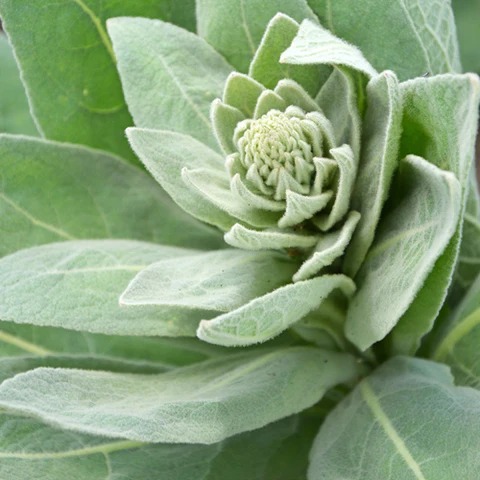
Mullein (Verbascum thapsus) is a woolly-leafed biennial plant you'll find growing wild across the United States and Europe. Most people walk right past it, it looks like a weed. During its first year, it forms a low rosette of large, fuzzy leaves. In its second year, it shoots up a tall stem with yellow flowers.
Here's what caught my attention: this plant has been used medicinally since at least 450 BCE. It has been identified as a powerful anti-inflammatory agent since more than over two thousand years ago. It goes by other names too: candlewick, lungwort, velvet plant.
Why Mullein Works for Respiratory Health
Mullein isn't a one-trick herb. There are multiple compounds working together to support your lungs.
Saponins are the heavy hitters they help loosen mucus so your body can actually clear out congestion. If you've ever had that deep, stubborn chest tightness, this is the compound doing the work.
Mucilage is what makes mullein so soothing. It coats irritated tissues in your respiratory tract, calming inflammation and reducing that raw, scratchy feeling in your throat and chest.
Flavonoids like hesperidin and verbascoside bring anti-inflammatory and antioxidant effects. They're working at the cellular level to reduce swelling and protect your tissues.
On top of that, mullein contains phenylethanol glycosides that give it antimicrobial properties meaning it may help your body fight off respiratory infections, not just manage symptoms.
What Mullein Can Do For You
The biggest benefit is respiratory support. Traditionally, mullein has been used for coughs, bronchitis, and asthma-related symptoms. It acts as an expectorant helping you clear congestion while simultaneously soothing the irritated tissues that make you want to cough in the first place.
Beyond the lungs, mullein has shown antimicrobial activity against certain bacteria and viruses. There's traditional use for urinary tract support and even topical wound healing, though the research there is still limited.
How I Use It
The simplest way to start is mullein tea. Take 1-2 teaspoons of dried mullein leaf, steep it in hot water for 10-15 minutes, and drink up to three times daily. One important tip: strain it well through a fine mesh or cheesecloth. The tiny hairs on the leaves can irritate your throat if they get through.
Other options include tinctures (2-4 ml, three times daily) and capsules (typically 300-500mg, following the product directions). Mullein also works well combined with other respiratory herbs.
I'll say this when I started drinking mullein tea consistently, the difference in my breathing was noticeable within days. Not weeks, not months. Days.
A Few Things to Keep in Mind
Mullein is generally well-tolerated, but there are a few things worth knowing. Safety during pregnancy hasn't been established, so consult your healthcare provider if that applies. It may interact with diabetes medications and diuretics. There are some historical traditions of smoking mullein, keep in mind, it can irritate your lungs, which can feel like it defeats the purpose.
Also, quality matters. Not all mullein products are created equal. Look for reputable sources that prioritize purity.
The Bigger Picture
Mullein leaf was my entry point into herbalism. One herb that actually worked opened my eyes to what else was out there adaptogens, herbal teas, whole-plant supplements. Everything I share on this site traces back to that first cup of mullein tea and the decision to take my health into my own hands.
If you're curious about where to start with herbs, start here. Start with what your body is telling you it needs, find the plant that addresses it, and pay attention to how you feel. That's how harmony begins.
Sources
- This article is drawn from traditional herbal use and the author's experience. It does not cite peer-reviewed studies.
Medical disclaimer
This article is for education only. These statements have not been evaluated by the Food and Drug Administration. It is not intended to diagnose, treat, cure, or prevent any disease, and it is not a substitute for care from a qualified clinician. Talk with your healthcare professional before using herbs, especially if you are pregnant or nursing, have a medical condition, give herbs to a child, or take medication.
About the author
Dondre Burton
Founder, Herbal Harmony TN
Dondre Burton founded Herbal Harmony TN in Memphis. Mullein leaf was his way into herbs, and he writes about teas, plants, and everyday rituals in plain language from his own experience.